Entry # 4: The Mystery of Our Ocean
The ocean remains one of the biggest mysteries today. It covers a large portion of our planet, yet scientists have only explored about 5%. It's terrifying to think that most of what's beneath us is still unknown. Things like: new species, ecosystems and unknown occurances. Though, even the parts we can see are full of surprises. One that I find strange is how the Pacific and Atlantic Oceans seem to touch without mixing,leaving a sharp line that seems surreal. 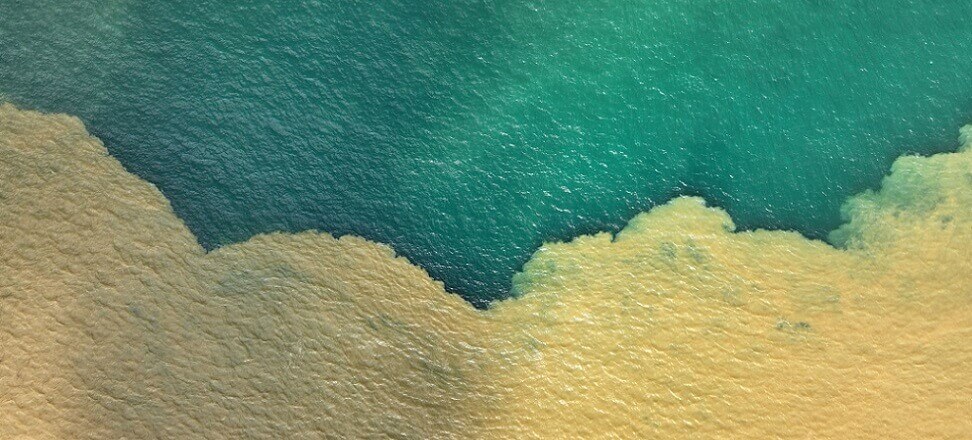 However, there is an interesting reason behind this. The two oceans are very different. Their waters don't have the same amount of salt with different temperatures. A good example of this phenomenon is the Gulf of Alaska, where glacier water meets the ocean. Glacier water is fresh and light while the ocean is dense with saltwater. When the meet, they don't mix right away. This creates that seperation thats visible to the eye. A similar effect occurs with the Pacfic and Atlantic oceans. One side is warm and each has different properties that delay the mixing of the waters. While it may seem they are seperate, the ocean's do mix eventually. It happens in a slow process as the waves, wind and other factors stir them together.
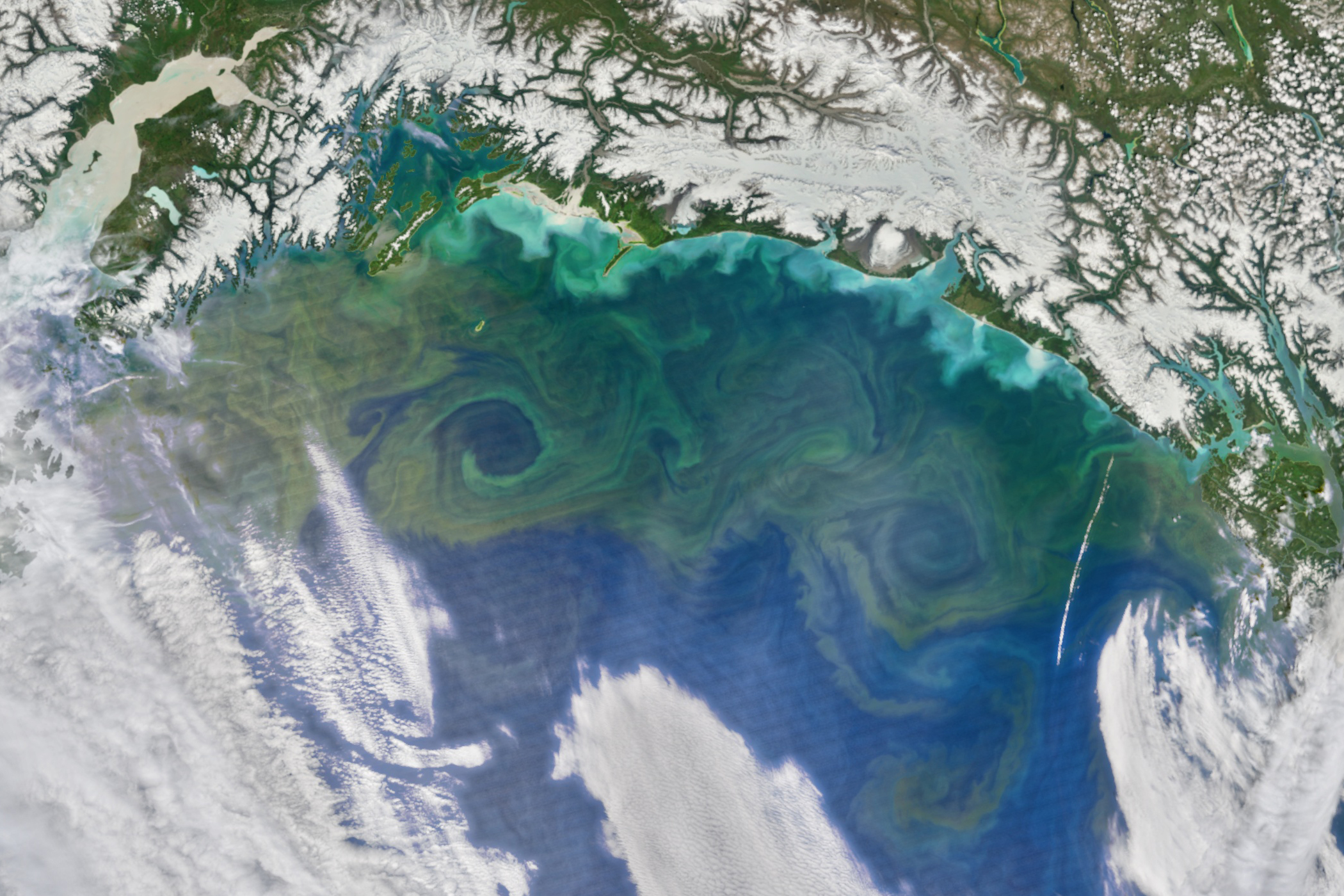 This is nature's very own magic trick. This cool phenomena can remind us how complex nature really is even in ways that aren't visible to the human eye. So, the next time you come across a photo or if you manage to see it up close, you'll know one of Ocean's many mysteries.
However, there is an interesting reason behind this. The two oceans are very different. Their waters don't have the same amount of salt with different temperatures. A good example of this phenomenon is the Gulf of Alaska, where glacier water meets the ocean. Glacier water is fresh and light while the ocean is dense with saltwater. When the meet, they don't mix right away. This creates that seperation thats visible to the eye. A similar effect occurs with the Pacfic and Atlantic oceans. One side is warm and each has different properties that delay the mixing of the waters. While it may seem they are seperate, the ocean's do mix eventually. It happens in a slow process as the waves, wind and other factors stir them together.

This blog post is beautifully written and effectively conveys the ocean's mystery and allure! I love how you illustrated the intriguing phenomenon of ocean waters not immediately mixing—it's an excellent example of nature's surprising intricacy. Your depiction feels almost like a magic show, and the information about the Gulf of Alaska enriches the scientific explanation in an engaging manner. This post definitely sparks curiosity about the ocean and its hidden wonders!
ReplyDeleteWow! This is so cool; I never even knew it existed! It's so cool how the world works in such interesting ways. Great job capturing my attention and sharing!
ReplyDeleteHi Ruqia! I love this fascinating topic on something that not everyone thinks about. I love the pictures that you posted demonstrating the switch between oceans, I never really think about the ocean in that way but its definitely something I will be thinking about in the future.
ReplyDeleteThis is a really interesting view on the mysteries of the ocean! You've explained well how the Pacific and Atlantic Oceans meet without mixing immediately. Describing it as "nature’s very own magic trick" highlights how fascinating and complex nature is. The scientific details about salt levels and temperature help explain the phenomenon while preserving its mystery. I also like how you encourage readers to appreciate the ocean's hidden wonders, creating a personal connection to something vast and mysterious. Great job!
ReplyDelete